

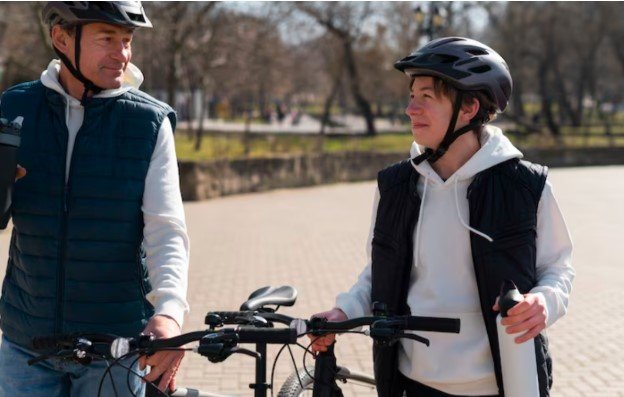

Embarking on a journey to improve your performance on the bike is an exciting step for any rider. Whether you are aiming to complete your first century ride, improve your competitive racing speed, or simply build better endurance, the right guidance can significantly accelerate your progress.
A structured approach eliminates the guesswork, ensuring that your training time is used efficiently to build fitness while preventing the risk of overtraining or injury.
Selecting the appropriate training framework can feel overwhelming due to the sheer number of options available in the digital age. By focusing on your specific goals and personal needs, you can identify a professional path that matches your lifestyle and ambition.
Define Your Personal Goals Clearly
Before you commit to any program, you must understand exactly what you want to achieve. Are you training for a specific event with a set date, or are you looking to improve your general power output and handling skills?
A high-quality cycling coaching plan should be built around your specific objectives. Identifying whether you need focus on climbing, sprinting, or time-trial capabilities will help you filter out generic programs that do not address your unique requirements as a rider.
Assess Your Current Fitness Level
Be honest about where you are starting from. Jumping into a high-intensity routine without a base level of fitness is a recipe for frustration and physical burnout.
Most reputable coaches will require a baseline test, such as a functional threshold power assessment, to gauge your current capabilities.
Choosing a program that meets you at your current level is crucial. It ensures that the prescribed intensities are achievable while still providing enough challenge to stimulate physiological adaptation.
Consider Your Weekly Time Commitment
The most effective training program is the one that you can actually follow consistently. Life is busy, and your ability to train is often dictated by your work schedule, family obligations, and recovery needs.
When reviewing potential options, verify that the volume of training hours aligns with your realistic schedule. A well-designed cycling coaching plan prioritizes quality over quantity, ensuring that you get the most impact from every hour spent on the bike without compromising your life balance.
Evaluate Coach Interaction and Support
The level of communication you need may vary based on your experience. Some riders prefer a static, self-guided template, while others require regular feedback, adjustments, and encouragement.
Think about whether you need someone to look at your data daily or if you are comfortable managing your own training sessions. Direct access to a mentor who can modify your schedule when life gets in the way can be the difference between reaching your peak and missing your target.
Look for Proven Results and Methodology
Do not hesitate to research the methodology behind the program. Does the coach use evidence-based training principles, or are they relying on outdated trends?
Look for testimonials, case studies, or even sample weeks of training that demonstrate how they help their athletes grow.
Transparency in their process is a strong indicator of professionalism and commitment to the success of their athletes. An ideal cycling coaching plan will always prioritize safety, structured progression, and long-term health.