

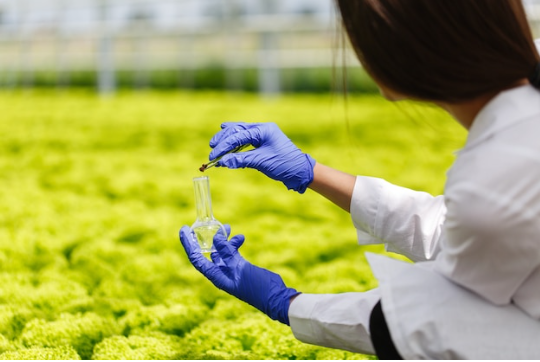

Modern farming faces constant threats from pests, insects, and plant diseases that reduce crop yield and quality. Traditional pesticides and chemical treatments often lead to environmental pollution, health risks, and pest resistance over time. Today, nanotechnology for agriculture is emerging as a modern solution that helps farmers control pests and diseases more effectively while supporting sustainable farming practices. It enables precise, efficient crop protection methods that improve productivity while minimizing harm to the environment.
1. Targeted Pest Control with Nano-Formulations
One of the key benefits of nanotechnology is the development of nano-based pesticides. These tiny particles deliver active ingredients directly to pests or infected plant areas. Because of their small size, they penetrate plant tissues and insect bodies more efficiently than traditional chemicals.
This targeted action increases effectiveness while reducing the amount of pesticide required, minimizing damage to beneficial insects and the surrounding environment.
2. Controlled and Slow Release of Chemicals
In nanotechnology for agriculture, controlled-release systems are designed to improve the effectiveness of crop protection products. Traditional pesticides often lose their effectiveness quickly due to sunlight, rain, or evaporation, requiring frequent applications.
Nano-encapsulation technology protects the active ingredients and releases them slowly over time.This controlled release provides long-lasting protection against pests and diseases, reduces the need for repeated spraying, and helps farmers save both time and costs.
3. Effective Disease Management
Nanotechnology also plays a major role in controlling plant diseases caused by fungi, bacteria, and viruses. Nano-based antimicrobial agents such as silver, copper, and zinc nanoparticles can stop the growth and spread of harmful pathogens.
By preventing infections at an early stage, these treatments help maintain plant health and protect crop productivity throughout the growing season.
4. Early Detection Through Nano-Sensors
Another innovative application is the use of nano-sensors in agriculture. These tiny sensors can detect early signs of plant stress, pest attacks, or disease before visible symptoms appear.
Early detection allows farmers to take timely action and apply treatments only where needed. This precision approach improves efficiency and prevents the unnecessary use of chemicals.
5. Environmental and Health Benefits
The use of nanotechnology for agriculture supports environmentally friendly farming. Since nano-formulations require smaller doses and provide precise delivery, they reduce soil contamination, water pollution, and chemical residues on crops.
This makes farming safer for agricultural workers, consumers, and ecosystems while also slowing the development of pest resistance.
6. Supporting Sustainable Farming Practices
By improving efficiency and reducing chemical dependency, nanotechnology helps farmers adopt more sustainable agricultural practices.
Lower chemical usage, better crop protection, and improved resource management contribute to long-term soil health and higher productivity, which are essential for meeting the growing global food demand.
Conclusion
Nanotechnology is transforming modern agriculture by offering smarter and more efficient solutions for pest and disease control. Through targeted delivery, slow-release systems, early detection, and reduced environmental impact, it helps farmers protect their crops while promoting sustainability. As research and innovation continue, nanotechnology will play an increasingly important role in ensuring healthier crops, higher yields, and a more secure future for agriculture. Its adoption can also help farmers reduce costs while improving the overall efficiency of modern farming practices.