


Table of Contents
- Assess Your Horse’s Readiness
- Establish Solid Groundwork
- Introduce Ground Poles
- Progress to Small Jumps
- Maintain Consistency and Patience
- Incorporate Variety and Challenges
- Monitor Health and Well-being
- Seek Professional Guidance
- Conclusion
Introducing your horse to jumping opens up an array of new experiences. Doing so safely means prioritizing a methodical approach, focusing on your horse’s physical and mental well-being, and pacing the learning process to their comfort level. This guide will help both novice and experienced equestrians ensure their training journey is positive and engaging. To ensure you have the right equipment before you begin, explore a range of horse jumps from reputable suppliers that fit your training goals.
From the first introduction of groundwork to developing confidence over small jumps, every phase is important in nurturing a horse’s long-term enthusiasm for jumping. Taking the right steps can reduce the risk of injury and prevent undesirable behaviors, allowing each session to build upon the last in a safe, structured way. Many horses may already be familiar with groundwork or basic riding skills, but jumping brings new challenges for their bodies and minds. Teaching a horse to jump is a rewarding process that should be celebrated gradually, always prioritizing the horse’s signals and well-being for sustainable progress. By prioritizing consistency, variety, and professional support, you set the stage for a lifelong enjoyment of jumping, whether you intend to compete or enjoy obstacle work as a recreational activity.
Assess Your Horse’s Readiness
Before you begin any jumping exercise, please check whether your horse is ready. Most horses should be at least four years old, as their bones and joints need to be mature enough to handle the additional physical demand. Ensure your horse demonstrates reliable basic riding skills, such as listening to rein and leg aids, maintaining a steady rhythm, and displaying good balance. Horses that are mentally calm and confident in new situations are more likely to benefit from jumping training. If you’re unsure about your horse’s readiness, consult with an equine veterinarian or a certified trainer who can help evaluate your horse’s physical and mental preparedness.
Establish Solid Groundwork
Groundwork serves as the crucial building block for jumping. Regular exercises like leading your horse over poles or standing quietly while you place obstacles foster trust and respect. These routines help horses become accustomed to paying attention to their handler both on the ground and under saddle. Key groundwork exercises include yielding the hindquarters, backing up, and moving calmly through unfamiliar setups. By reinforcing basic obedience and responsiveness from the ground, you build a strong communication foundation that seamlessly transitions to mounted work.
Introduce Ground Poles
Start by arranging a single pole on the ground and lead your horse over it in-hand. As your horse becomes comfortable, add more poles and progress to riding over them at a walk and then at a trot. Walking and trotting over poles helps the horse learn how to coordinate their footfalls, judge distances, and lift their feet appropriately, all of which are essential for safe and effective jumping. Remain patient if your horse hesitates or knocks the poles. Use encouragement rather than pressure to keep the experience positive and stress-free. Trainers often recommend ground-pole exercises as a gentle introduction to jumping.
Progress to Small Jumps
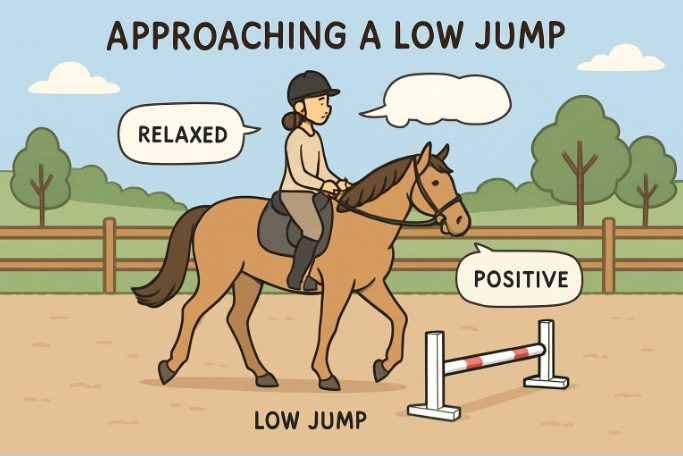
Once your horse is confidently navigating ground poles, introduce small jumps such as cross-rails. These obstacles should be low and straightforward, approached at a comfortable trot. Focus on smooth approaches and relaxed efforts, rewarding calm jumps rather than perfect technique. You can slowly raise the height only after your horse clears small obstacles without confusion, progressing at your horse’s pace and aiming for frequent repetition over height or complexity at this stage. Always finish sessions with something easy to reinforce your horse’s growing confidence.
Maintain Consistency and Patience
Short, regular sessions work best when introducing horses to new concepts. Consistency builds routine and gives your horse time to process and remember each lesson. If a horse struggles or becomes anxious, take a step back in difficulty and return to a skill they find easy. Avoid repetitive drilling, which can lead to frustration or sourness. Reward even small successes, whether that means calmly walking over a pole or trotting a cross-rail for the first time. Over time, a consistent routine builds a solid base for more advanced jumping challenges.
Incorporate Variety and Challenges
When your horse displays comfort with the basics, keep training engaging by introducing new obstacles and setups. Try using fillers, placing jumps in new locations around the arena, or riding simple combinations. Variety not only enhances your horse’s confidence and agility but also prevents boredom. Incorporate gentle oxers or different colored poles as your horse becomes ready. Exposing them to a range of sights and setups mirrors what they might encounter in competitions or trail outings, preparing them for broader experiences.
Monitor Health and Well-being
Physical conditioning is critical in jumping work. Regularly check your horse for any signs of discomfort, lameness, or fatigue after sessions. A balanced diet and routine veterinary visits are essential to support your horse’s muscle development and joint health. Include rest days in your training plan to allow muscles and joints to recover, and address any health issues promptly. Prioritize supportive hoof care and consider working with an equine nutritionist or veterinarian to align your horse’s feeding program with the new workload.
Seek Professional Guidance
Working with an experienced trainer provides valuable oversight, particularly if you or your horse are new to jumping. Professionals can guide you through troubleshooting challenges, spot subtle signs of anxiety or physical strain, and recommend appropriate progression based on your horse’s responses. Even accomplished riders benefit from a second set of eyes, ensuring that training remains safe, correct, and productive for both horse and rider. Introducing your horse to jumping is a process best powered by patience, consistency, and professional input. With the right approach, you will create a confident, happy jumper that enjoys the mental and physical benefits of this exciting riding discipline.
Conclusion
Introducing a horse to jumping is a gradual process that requires patience, preparation, and a strong foundation of trust between horse and rider. By carefully assessing readiness, building solid groundwork, and progressing from ground poles to small jumps, you can help your horse develop the confidence and coordination needed for safe and enjoyable jumping. Consistency in training, along with varied exercises and appropriate equipment, keeps the learning experience positive and engaging. Equally important is monitoring your horse’s health and seeking guidance from experienced trainers when needed. Paying attention to your horse’s physical condition and emotional responses ensures that training remains safe and rewarding for both of you. With a thoughtful, supportive approach, jumping can become a fulfilling activity that strengthens your partnership and helps your horse grow into a confident, capable athlete.