

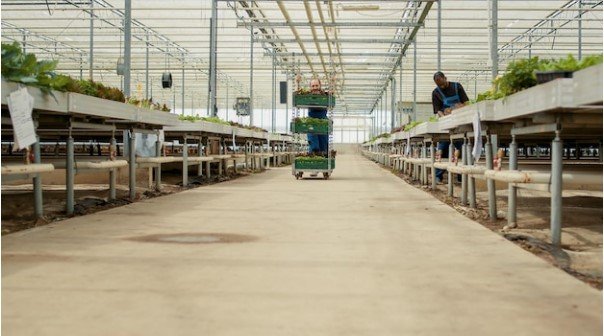

Dairy farms require flooring that can withstand constant exposure to moisture, livestock traffic, cleaning chemicals, and heavy equipment. A well-designed floor can support hygiene, animal safety, and efficient daily operations. Choosing suitable flooring for dairy farms involves considering durability, drainage, traction, cleanability, and resistance to demanding conditions. Understanding these key features can help farm owners select a flooring solution that performs reliably over time.
1. Excellent Durability
Dairy farm flooring must withstand significant daily wear. Animals continuously walk across the surface, while tractors, carts, cleaning equipment, and other machinery may also travel through different areas.
Strong flooring materials can resist cracking, chipping, and surface deterioration when properly installed and maintained. Durability is particularly important in high-traffic areas such as feeding lanes, milking parlors, and animal housing spaces.
2. Slip Resistance for Animal Safety
Wet conditions are common in dairy facilities because floors are frequently exposed to water, milk, cleaning solutions, and other liquids. A slippery surface can increase the risk of animals and workers falling.
Flooring for dairy farms should therefore provide appropriate traction while still being easy to clean. Textured or slip-resistant finishes can help improve footing without creating excessive grooves where dirt can accumulate.
3. Effective Drainage
Proper drainage is essential for maintaining a clean and functional dairy environment. Floors should be designed with suitable slopes that allow water and waste to move toward designated drains.
Standing water can create hygiene concerns and make cleaning more difficult. An effective drainage system can reduce puddling and help farm staff complete regular washdown procedures more efficiently.
4. Easy to Clean and Maintain
Dairy facilities require frequent cleaning to remove manure, feed, milk, and other organic material. Flooring should have a surface that allows contaminants to be removed without excessive effort.
Smooth, well-finished surfaces can simplify routine washing while minimizing areas where dirt can become trapped. Regular cleaning also helps maintain a more hygienic environment for livestock and workers.
5. Resistance to Chemicals and Moisture
Cleaning and sanitation products are regularly used in dairy operations. Flooring materials should be able to tolerate exposure to appropriate detergents, disinfectants, and other cleaning products without quickly deteriorating.
Flooring for dairy farms should also resist moisture penetration, particularly in areas that are regularly washed or exposed to liquids.
6. Comfortable Surface for Livestock
Animal comfort is another important consideration when selecting dairy flooring. Extremely hard or poorly designed surfaces may contribute to discomfort, particularly when cattle spend long periods standing or walking.
Suitable flooring should provide reliable footing and, where appropriate, work alongside mats or other comfort systems designed for livestock areas.
Final Thoughts
Selecting high-performance flooring for dairy farms requires careful consideration of durability, traction, drainage, cleanability, chemical resistance, livestock comfort, and load-bearing capacity. The right flooring can make daily cleaning easier while supporting safer and more efficient farm operations. Farm owners should evaluate the specific needs of each area before selecting a material or surface system. With proper planning, quality materials, and professional installation, dairy farm flooring can provide reliable performance for years.