

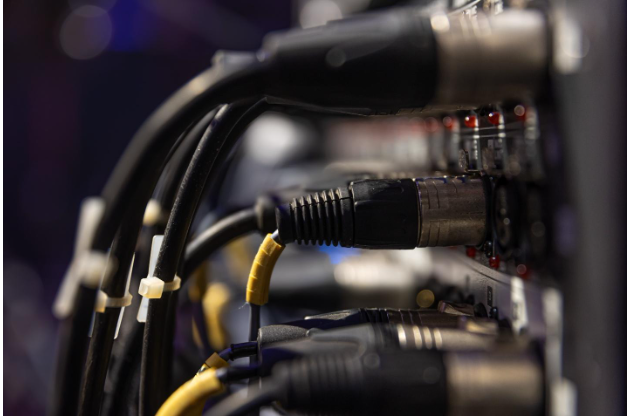

In today’s time, every home and office depends on internet and communication systems. Computers, laptops, phones, security cameras, and many other devices need stable and strong connections to work effectively. Behind all these connections is a system called structured cabling.
Following is the simple explanation of structured cabling and why it is important.
What is Structured Cabling?
Structured cabling is an organized system of equipment and cables that connects computers, phones, internet, and security devices inside a building. Due to this system, everything is arranged neatly so the connections work smoothly.
This prevents having wires placed randomly and helps information move from one device to another without problems. Structured cabling makes it easier to fix issues, and add new devices.
Keeps Cables Organized and Neat
One of the biggest benefits of structured cabling is that it keeps wires neat and arranged properly. Cables can become tangled and messy without a clear system. When cables are not organized, it not only looks bad but also makes it hard to know which cable connects to which device.
Every cable has a proper place with structured cabling. This clean setup makes the environment more professional and safer. It also reduces the chances of cables getting damaged or accidentally unplugged.
Makes Upgrades and Repairs Easier
Fixing even a small problem can take a lot of time if cables are messy and unorganized. A technician may need to check many wires just to find one small issue. This can cause delays in work and waste time. Structured cabling solves this problem by creating a clear layout.
With structured cabling, it is easier to find the fault if something stops working. Upgrading the system is also simpler and new devices can be added without removing old cables or making a mess.
Improves Network Performance
Devices work and communicate better with a well-organized cabling. When cables are placed properly and not tangled together, signals can move faster and smoothly from one device to another. Poor cable arrangement can sometimes cause slow internet speed or weak connections.
Structured cabling reduces these risks and allows stable communication. It helps businesses to connect clearly during online meetings, phone calls, or file transfers.
Reduces Connection Problems
When cables are loose or damaged, they can lead to connection issues. In messy setups, cables may bend too much or get pulled accidentally. This can result in poor signal quality or sudden disconnections. Structured cabling prevents these problems by keeping cables secure and properly arranged.
Since everything is placed carefully, there is less chance of wear and tear. This leads to fewer technical issues and more reliable connections over time.
Saves Money and Time in the Long Run
Installing structured cabling may seem like extra work at first, but it actually saves time and money in the long run. When the system is organized, repairs take less time and fewer resources and businesses do not have to face delays in work.
A strong cabling setup lasts longer and supports future growth, which means you will not need to rebuild the system again and again. Structured cabling is an investment that brings long-term benefits.