

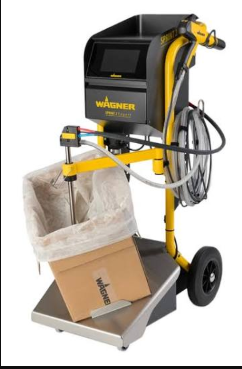

A coated part can look straightforward from the outside, yet the metal underneath may react to heat very differently from the next job in line. Surface condition, substrate type, thickness, porosity, and geometry all influence how powder flows and cures once the part enters the oven. Proper equipment selection helps manufacturers accommodate those differences without giving every product the same temperature profile or loading method.
Flat Steel Surfaces Are Well Suited to Repeatable Batch Curing
Flat sheet steel is one of the more predictable substrates for powder coating because its thickness and surface area make heating behavior easier to profile. Smooth panels, cabinets, doors, and equipment skins still need clean pretreatment, reliable grounding, and enough spacing between pieces for heated air to circulate freely. Reliable Reliant powder coating ovens can support repeat production where similar steel parts return in regular batches and operators want consistent cure timing. Manufacturers using powder coating equipment for this work can also standardize rack positions and recipes instead of adjusting the process for every load.
Aluminum Parts Heat Differently Than Comparable Steel Components
Aluminum can work well with powder finishes, but its thermal properties differ from carbon steel and need to be considered during curing. Because aluminum transfers heat efficiently, thin extrusions, panels, and fabricated pieces may respond quickly once exposed to circulating oven air. That faster response means operators should avoid assuming that a cure schedule developed for thick steel belongs on an aluminum product. Shops comparing Reliant powder coating equipment for sale can use representative part profiling to establish practical settings for aluminum loads rather than relying on chamber temperature alone.
Thin sections can also overheat sooner than heavy attached components if the assembly contains mixed gauges or materials. Profiling several locations across a representative part shows whether corners, extrusions, or thicker mounting areas enter the cure window at different times. Buyers considering a Reliant powder coating oven for sale can use that information to judge whether the oven provides enough airflow control and temperature consistency for a varied aluminum workload.
Castings and Porous Metals Can Release Trapped Gases During Cure
Cast components can present a different challenge because microscopic pores may hold oil, moisture, or gases that escape as the part heats. Porosity can produce pinholes or small surface defects in the cured coating if contaminants work their way through the film while it is still flowing. Preheating or other preparation steps may help with certain cast parts, depending on the substrate and coating specification. Configured Reliant powder coating systems can support these jobs by giving operators a controlled heating stage where preheat and final cure procedures can be developed around actual part behavior.
Galvanized Surfaces Need Preparation That Accounts for Zinc
Galvanized steel can accept powder coating, but the zinc-coated surface needs proper cleaning and pretreatment before powder application. Zinc surfaces may carry oils, oxidation products, or other residues that interfere with adhesion if preparation is incomplete. Preparation methods should suit both the galvanized coating and the powder system being used rather than relying on aggressive treatment intended for bare steel. Controlled curing with Reliant powder curing ovens can then help complete the finish once the surface has been properly prepared.
Outdoor products often use galvanized substrates because the zinc layer adds corrosion protection beneath the finish. Coating that material successfully requires the pretreatment and powder chemistry to work together, especially on railings, frames, outdoor fixtures, and other exposed products. Process planning through a Reliant powder coating equipment package can help businesses coordinate cleaning, application, handling, and cure instead of treating the galvanized surface as simply another steel part.
Welded and Irregular Surfaces Need Heat to Reach Hidden Areas
Welded assemblies create thermal and airflow challenges because gussets, joints, channels, corners, and boxed sections can shield areas from direct circulation. Corners may also collect more powder than open surfaces, while deep recesses can be harder to coat evenly during electrostatic application. Airflow inside a Reliant industrial powder coating oven should reach around these shapes without racks blocking the paths needed to distribute heat. Using Reliant powder coating equipment with thoughtful rack spacing can help manufacturers cure irregular fabrications more consistently while keeping the parts stable during loading and unloading.
Textured and Rough Surfaces Change How Powder Builds and Flows
Textured substrates such as blasted steel, rough castings, and heavily fabricated surfaces present more peaks, valleys, and edges than smooth sheet metal. Rough profiles can improve mechanical grip after correct preparation, but excessive surface profile may also require enough film build to cover the texture without leaving thin spots. Electrostatic settings, gun position, powder flow, and grounding all influence how evenly material reaches those areas. Flexible Reliant powder coating systems give shops room to develop different application settings for rough components instead of copying the recipe used on smooth panels.
Decorative textures created by the powder itself bring another variable into the cure stage. Consistent heating helps the coating develop its intended wrinkle, fine texture, or other visual effect according to the powder supplier’s process requirements. Recording part temperature and dwell time allows operators to repeat those results on later jobs without depending on visual judgment alone.
Mixed Surfaces and Thicknesses Need the Most Careful Oven Setup
Mixed assemblies can combine smooth sheet, thick plate, tubing, cast components, and welded joints in one product, which means different areas may enter the cure range at different times. Uneven thermal response makes profiling especially useful because the slowest-heating section can determine the effective cycle even while lighter areas have already reached temperature. Pairing suitable racks, verified cure recipes, and correctly sized Reliant powder coating ovens gives manufacturers a practical way to handle that variation without treating every complex assembly as an experiment. Reliant Finishing Systems can be a useful equipment source for shops dealing with this kind of surface mix, particularly where oven dimensions, heating capacity, and package layout need to reflect the real parts moving through production rather than a single standard substrate.