


Key Takeaways
- Understand your vessel’s unique requirements before making hardware selections.
- Material choice is critical for ensuring resilience and resistance to marine corrosion.
- Compliance with industry standards ensures your boat is safe and up to code.
- Consistent maintenance maximizes the lifespan of each component.
Table of Contents
- Understanding Vessel Requirements
- Material Selection
- Compliance with Industry Standards
- Functionality and Ease of Use
- Maintenance and Longevity
- Budget Considerations
- Consulting Experts
- Conclusion
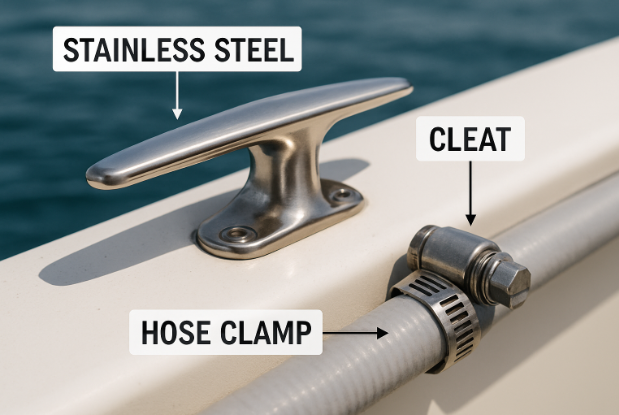
When equipping your boat, selecting the appropriate marine hardware is pivotal for ensuring both safety and peak performance on the water. Decision-making goes beyond aesthetics, as quality hardware impacts every voyage. Whether you are upgrading a current vessel or starting from scratch, understanding all the elements that go into proper selection is critical. For example, ensuring you have top-quality marine hose clamps is a simple measure that can prevent leaks and enhance overall equipment reliability.
The marine environment presents challenges like saltwater and unpredictable weather. Choosing corrosion-resistant hardware protects your investment and reduces failure risk. Many overlook material compatibility and standards, risking costly errors. Knowing what to look for in marine hardware ensures safe, enjoyable boating. Consider ease of use, maintenance, and cost. Consulting marine professionals helps you make confident, smart choices. An informed approach safeguards your crew and your vessel’s longevity.
Understanding Vessel Requirements
Every vessel, whether a small fishing boat or a large motor yacht, presents a distinct set of needs determined by its size, weight, and primary function. Hardware such as cleats, fasteners, and hinges may have to bear heavy loads or function under unique stress conditions on one vessel but not another. For example, sailboats require purpose-designed rigging hardware that differs from the robust anchor lines favored by motorboats. Begin your selection process by thoroughly evaluating your vessel and making a checklist that matches each area or system with its required hardware specifications. This step ensures every choice you make is tailored to your boat’s construction and intended use.
Material Selection
Marine hardware must resist weather and water challenges, particularly corrosion in saltwater. Key materials include: Stainless Steel (316 Grade), known for its corrosion resistance and strength, suitable for railings and deck fittings; Bronze, chosen for underwater applications due to its resistance to electrolysis; and Aluminum, valued for its lightweight and durability in components like sail tracks. The materials chosen should match the part’s function and environmental challenges.
Compliance with Industry Standards
Only install marine hardware that complies with relevant safety and quality standards. Certifications such as ISO 9001 attest to a manufacturer’s commitment to quality management systems. Especially important for boat builders and serious remodelers are the American Boat and Yacht Council (ABYC) standards, which set benchmarks for marine construction, maintenance, and electrical systems. These standards help guarantee that each piece of hardware is engineered to withstand operational stresses and harsh environmental settings. Skipping this step can jeopardize safety and invalidate insurance or legal requirements.
Functionality and Ease of Use
Even the strongest hardware is of little use if it complicates daily tasks or hinders operation. Modern marine equipment is designed with operator efficiency in mind—look for hardware with ergonomic shapes, non-slip surfaces, and easy-to-operate latches or fasteners. Evaluate how seamlessly parts integrate with each other and whether they are compatible with your existing onboard systems. This foresight minimizes frustration and delivers a smoother, safer boating experience for both seasoned mariners and beginners.
Maintenance and Longevity
Preventative maintenance is not only about keeping your equipment looking good; it is critical for catching wear and corrosion early, prolonging equipment life, and ensuring safety at sea. Conduct regular inspections and promptly address any signs of rust, pitting, or fatigue. Always rinse exposed hardware with fresh water after saltwater outings, and lubricate moving parts to prevent them from seizing. Thoughtful, consistent upkeep means you can trust your hardware to perform when needed most.
Budget Considerations
It may be tempting to cut corners on price, but in the long run, investing in premium marine hardware reduces the risk of failure and costly repairs. Prioritize crucial components, such as through-hull fittings, deck cleats, and load-bearing fasteners, and allocate more of your budget to these areas. This balanced approach minimizes maintenance costs, reduces replacement frequency, and ensures your vessel’s vital systems are as reliable as possible.
Consulting Experts
If you are ever in doubt about hardware choices, reach out to marine industry professionals or experienced boat owners. Their hands-on insights provide practical recommendations that save time, money, and prevent mistakes. Boat shows, marine supply stores, and online boating communities are also excellent resources for gathering advice on tested hardware and installation tips.
Selecting top-quality marine hardware is not just about initial performance, but long-term confidence on the water. With careful planning and attention to material, compliance, and regular upkeep, every trip can be both safe and enjoyable.
Conclusion
In conclusion, choosing the right marine hardware requires a thoughtful balance of vessel-specific needs, durable materials, regulatory compliance, and user-friendly design. By planning carefully, budgeting wisely, maintaining equipment regularly, and consulting experienced professionals, boat owners can ensure reliability, safety, and longevity in every voyage. Investing in quality hardware not only protects your vessel but also enhances your overall boating experience, providing peace of mind and confidence on the water.