


Key Takeaways
- Effective training in workplace hazards saves lives and protects property.
- Proactive safety programs require both regulatory compliance and practical drills.
- Virtual Reality and modern technology are transforming emergency preparedness.
- A culture of safety must be regularly reinforced through ongoing education.
Understanding the Spectrum of Workplace Hazards
Every organization faces the challenge of identifying, assessing, and preparing for a wide range of hazards. Fires, toxic smoke, chemical spills, and sudden medical emergencies pose immediate dangers to both employees and the company’s infrastructure. Proper training is not only a legal requirement but also a fundamental moral responsibility to ensure personnel are prepared for any emergency. Programs such as the Texas EMT course provide comprehensive instruction in emergency response techniques, equipping individuals with the skills to manage medical crises, perform first aid, and coordinate effectively during high-stress situations. Recognizing the warning signs of danger and understanding the unique threats that can arise in specific work settings empowers employees and management to act swiftly and decisively when every second counts.
Fire and Smoke: The Ever-Present Threat
Fires are unpredictable and rapidly escalating events that can cause significant harm within moments. Training programs focused on fire safety are crucial, emphasizing the importance of prevention, prompt detection, and effective response strategies. This includes clear instructions on how to use fire extinguishers, activate alarms, and evacuate safely. Often underestimated, smoke is just as dangerous—smoke inhalation can be fatal in minutes, underscoring the need for drills that stress staying low and finding clear air during an escape.
According to the National Fire Protection Association, conducting comprehensive fire drills and planning escape routes significantly improves survival rates. Having clearly marked exits, practicing orderly evacuations, and understanding the layout of your facility are fundamental for minimizing injuries during a fire or smoke emergency.
Chemical Spills: Invisible Dangers
Chemical spills represent silent threats that can spread quickly, endangering everyone in their vicinity. Effective training teaches employees to recognize hazardous substances, assess risks, and use appropriate protective equipment. Swift containment actions, such as using spill kits or isolating the affected area, can prevent extensive damage and costly cleanups. Equally important is knowing specific reporting protocols and when to seek outside help; delays can cause severe health issues or environmental harm.
Even industries not traditionally linked to chemicals can experience hazardous releases, making it essential for all workplaces to have well-communicated response plans. Regular review of Safety Data Sheets (SDS) and adherence to proper labeling practices, as mandated by OSHA, are vital preventive measures.
Medical Crises: Immediate Response Saves Lives
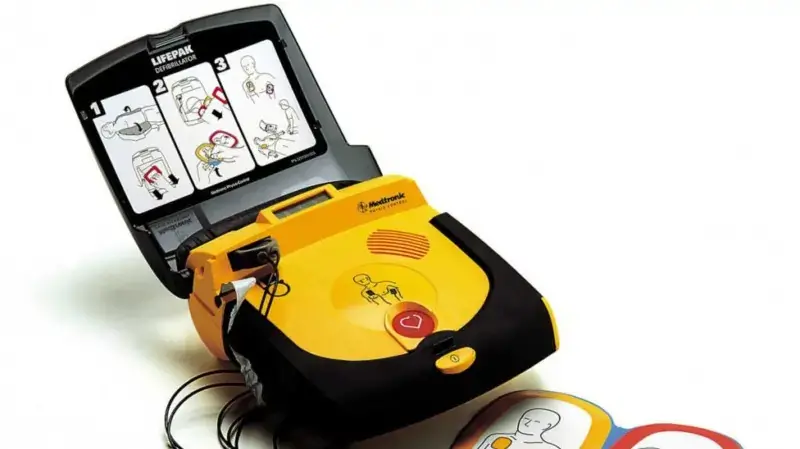
Medical emergencies, such as cardiac arrests, choking, or severe trauma, demand immediate, confident intervention. Training programs should go beyond basic first aid, integrating CPR and Automated External Defibrillator (AED) use into regular safety briefings. These skills, often provided through accredited courses, can bridge the crucial gap until professional medical teams arrive, significantly increasing survival rates.
To further enhance preparedness, organizations may consider arranging on-site EMT training, enabling key personnel to respond to a broader array of incidents with greater competence.
Integrating Virtual Reality into Safety Training
With advancements in technology, Virtual Reality (VR) has emerged as a powerful tool for hazard preparedness and response. VR-based training immerses employees in realistic emergency scenarios, enabling them to practice responses in a safe and controlled environment. Evidence shows that this approach dramatically enhances information retention and procedural confidence compared to traditional lectures or manuals. As a result, VR is increasingly being adopted for complex drills, such as fire evacuations and hazardous material containment.
The Role of Regulatory Compliance
Compliance with regulations, such as those enforced by the Occupational Safety and Health Administration (OSHA), is fundamental to any robust safety program. OSHA’s Hazard Communication Standard requires employers to inform and train workers on the dangers of chemicals they may be exposed to. Staying updated with federal guidelines and integrating these into workplace policies isn’t just about avoiding penalties—it’s about fostering a safety-first environment. For example, OSHA’s 2024 Final Rule on Hazard Communication emphasizes the importance of tailored, frequent employee training sessions and transparent access to safety documentation.
Developing a Comprehensive Emergency Response Plan
A strong emergency response plan brings all preparedness efforts together. This dynamic document must outline specific procedures for each hazard, designate clear roles, and schedule recurring drills. Regular evaluation, including post-drill debriefs and open feedback from employees, enables organizations to identify weaknesses and adapt their plans to evolving risks. Involving staff at every stage creates a shared sense of ownership and commitment to safety.
Consider supplementing annual training with scenario-based tabletop exercises, which challenge teams to respond to simulated crises and emergencies. These hands-on sessions reveal communication gaps and provide actionable insights to refine emergency strategies.
Final Thoughts
Comprehensive hazard training is a vital investment for any workplace. It shields people and assets while promoting confidence and teamwork in high-pressure situations. Blending traditional safety measures with modern technologies, such as VR, maintaining strict regulatory adherence, and continually refining emergency response plans ensures that organizations remain prepared for any challenge. Safety is not a one-time initiative but an ongoing culture, reinforced through knowledge, practice, and vigilance.