

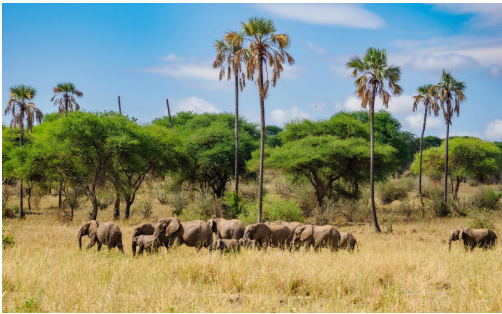

Tanzania emerges as the definitive destination for those seeking authentic African safari experiences. Nestled in East Africa, this remarkable country offers an intoxicating blend of untamed wilderness, staggering wildlife populations, and landscapes that have captivated explorers, conservationists, and travelers for generations. A safari in Africa Tanzania transcends mere wildlife viewing—it becomes a journey into ecosystems where nature’s fundamental rhythms remain unbroken by modern intrusion.
The Tanzanian Safari Legacy
Few destinations worldwide can match Tanzania’s natural heritage. The nation encompasses approximately 945,000 square kilometers of diverse terrain, with conservation areas covering more than one-third of this territory. This extraordinary dedication to wildlife preservation has created sanctuaries where animals roam freely across territories that span thousands of square kilometers, following migration patterns established over millennia.
Tanzania’s conservation philosophy differs from many African countries by prioritizing ecosystem integrity over isolated park management. Wildlife corridors connect protected areas, allowing elephants, wildebeest, and other migratory species to move seasonally without encountering barriers. This holistic approach maintains ecological processes essential for long-term biodiversity conservation while creating the vast wilderness landscapes that define exceptional safari experiences.
The country hosts Africa’s most impressive wildlife statistics: the largest lion population, the most elephants, and the greatest concentration of hoofed mammals anywhere on the continent. Beyond mere numbers, Tanzania offers quality encounters where visitors observe natural behaviors largely unaffected by human presence. Predator hunts, complex social interactions, and dramatic survival struggles unfold daily across Tanzanian landscapes, providing windows into nature’s unfiltered reality.
Serengeti National Park: The Endless Plains
The Serengeti name derives from the Maasai term “siringet,” translating to “endless plains”—an apt description for this iconic wilderness. Covering approximately 14,750 square kilometers, the Serengeti forms the centerpiece of a larger 30,000-square-kilometer ecosystem that extends into Kenya’s Masai Mara. This vast expanse functions as a single integrated habitat where wildlife movements span international boundaries.
The Great Migration stands as nature’s most spectacular wildlife event, an annual cycle involving over 1.5 million wildebeest, 200,000 zebras, and 400,000 Thomson’s gazelles moving continuously through the ecosystem. This movement isn’t a simple round-trip journey but rather a complex response to rainfall patterns, grazing quality, and water availability. The herds follow a roughly circular route, spending different seasons in different regions as they pursue optimal conditions.
The migration reaches its crescendo during river crossings, primarily occurring between July and October when massive herds must cross the Grumeti and Mara Rivers to reach northern grazing areas. These crossings create chaos as thousands of animals plunge simultaneously into crocodile-filled waters, driven by collective momentum and desperation to reach fresh grass. The scenes are visceral—panicked bellowing, churning water, opportunistic predators, and the constant struggle between survival and death that defines existence in wild Africa.
Yet reducing the Serengeti to the migration alone diminishes its broader significance. The park maintains resident wildlife populations that would constitute world-class safari destinations independent of seasonal visitors. Approximately 3,000 lions occupy territories throughout the Serengeti, from the open plains where they hunt Thomson’s gazelles to the rocky kopjes that provide den sites and ambush opportunities. These granite outcrops, scattered across the landscape like ancient sculptures, concentrate both predators and prey, creating reliable wildlife viewing hotspots.
Leopards inhabit the Serengeti’s acacia woodlands and riverine forests, their spotted coats providing perfect camouflage in dappled shadows. Cheetahs utilize the open grasslands where their exceptional speed provides hunting advantages, regularly achieving kills through explosive pursuits that rarely exceed one minute. Spotted hyenas form large clans that both scavenge and hunt cooperatively, their complex social hierarchies rivaling those of primates for sophistication.
Ngorongoro Crater: Africa’s Garden of Eden
The Ngorongoro Crater represents one of Earth’s most extraordinary geological and ecological features. This massive caldera formed approximately 2.5 million years ago when a volcano potentially rivaling Kilimanjaro in size collapsed inward following a catastrophic eruption. The resulting crater measures roughly 20 kilometers across with walls rising 600 meters above the floor, creating a natural amphitheater that functions as a nearly self-contained ecosystem.
The crater supports approximately 25,000 large mammals in permanent residence, an astonishing concentration given the relatively compact 260-square-kilometer area. The steep walls create both physical and ecological boundaries that discourage long-distance movements, though animals certainly can and do climb in and out. The permanent water sources supplied by highland springs combined with rich volcanic soils create year-round grazing conditions that eliminate migration pressures affecting wildlife in surrounding areas.
Black rhinoceros find their most secure Tanzanian refuge within Ngorongoro Crater. These critically endangered animals have vanished from much of their former range due to poaching pressure, making the crater’s population of approximately 30 individuals particularly significant. While rhino numbers remain too low to guarantee sightings, visitors spending full days in the crater frequently encounter these prehistoric-looking creatures grazing openly on the crater floor—a privilege unavailable in most African destinations.
The crater’s lion population exhibits unique characteristics resulting from their relative isolation. Genetic studies reveal distinct markers separating Ngorongoro lions from other Tanzanian populations, while behavioral observations document adaptations to the crater’s specific conditions. Large-tusked elephants, predominantly bulls, regularly descend to the crater floor to exploit the rich grazing, though breeding herds with females and young tend to remain on the forested crater rim.
Lake Magadi, a shallow alkaline lake covering much of the crater’s central area, attracts variable numbers of flamingos depending on water chemistry and algae abundance. When conditions align, tens of thousands of these pink birds create living carpets that transform the lake into a spectacle visible from the crater rim. The juxtaposition of flamingos against the dramatic crater walls epitomizes the visual splendor that makes Ngorongoro unforgettable.
Tarangire National Park: Elephant Haven
Tarangire National Park occupies a somewhat overlooked position in Tanzania’s safari hierarchy, overshadowed by the Serengeti’s fame and Ngorongoro’s uniqueness. Yet those who include Tarangire in their itineraries often cite it as a highlight, particularly when visiting during the June through October dry season when the park transforms into one of Tanzania’s premier wildlife destinations.
The Tarangire River provides this park’s defining feature and primary attraction. During the dry season, when surrounding areas desiccate and seasonal water sources evaporate, the Tarangire River becomes a critical lifeline attracting wildlife from territories spanning hundreds of square kilometers. Elephant concentrations during peak months reach extraordinary levels, with daily sightings of herds numbering in the hundreds becoming routine occurrences.
These elephant gatherings provide unparalleled opportunities to observe complex social behaviors that define elephant society. Extended family groups led by experienced matriarchs coordinate movements, protect vulnerable calves, and teach young elephants essential survival skills. Young bulls engage in play fighting that establishes dominance hierarchies, while solitary mature males in musth periodically join breeding herds seeking mating opportunities. The intimacy of these observations, often occurring at close range near the river, creates profound connections between observers and observers.
Tarangire’s landscape contributes substantially to its distinctive character. Ancient baobab trees dominate the scenery, their massive trunks and spreading branches creating the quintessential African silhouette. Some specimens exceed 1,000 years in age, having witnessed countless generations of elephants, predators, and human inhabitants. During desperate dry season conditions, elephants strip baobab bark to access moisture-rich cambium layers, leaving characteristic scars that chronicle decades of drought survival.
The park’s varied habitats—from permanent swamps supporting dense vegetation to open grasslands stretching to distant horizons—create niches for diverse wildlife communities. Beyond elephants, Tarangire hosts healthy populations of buffalo, giraffe, various antelope species, and all three African big cats. The presence of less common species including fringe-eared oryx, gerenuk, and greater kudu adds special value for visitors seeking wildlife diversity beyond standard safari species.
Lake Manyara National Park: Biodiversity Hotspot
Lake Manyara National Park demonstrates that size matters less than ecological diversity for creating exceptional safari experiences. This relatively compact park occupies a narrow strip between the dramatic Rift Valley escarpment and Lake Manyara’s shores, yet it encompasses remarkable habitat variety within its limited territory. Dense groundwater forests transition to acacia woodlands, then open grasslands, before reaching the alkaline lake shore—each zone supporting characteristic wildlife assemblages.
The park achieved international recognition through its tree-climbing lions, a behavior exhibited more consistently here than in most African lion populations. While the adaptive advantage of this behavior remains debated among scientists, the sight of these powerful predators lounging on acacia branches provides memorable photographic opportunities. Multiple factors likely contribute to this behavior, including thermoregulation during hot periods, escape from ground-level biting insects, and enhanced visibility across surrounding terrain for spotting prey or rival predators.
The groundwater forest near the park entrance creates a microclimate distinctly different from surrounding savannah. Year-round springs support lush vegetation that harbors large troops of olive baboons and smaller populations of blue monkeys and vervet monkeys. These primates navigate the canopy with remarkable agility, their social interactions and foraging behaviors providing entertainment for visitors during forest drives. Shy bushbuck inhabit the forest understory, while occasional leopards patrol both ground level and canopy seeking prey.
Lake Manyara itself undergoes dramatic seasonal transformations based on regional rainfall patterns. During periods of high water, the lake expands significantly, creating extensive shallows that attract enormous congregations of lesser and greater flamingos. These filter-feeding specialists exploit algae blooms in the alkaline waters, their pink masses creating spectacular contrasts against the blue lake and green escarpment backdrop. The park’s recorded bird list exceeds 400 species, including numerous raptors, waterbirds, and both resident and migratory species.
Exploring Tanzania’s Remote Southern Parks
While the majority of safari itineraries concentrate on northern Tanzania’s accessible parks, the southern circuit offers equally compelling wildlife experiences for travelers willing to invest additional time and accept more rustic conditions. Ruaha National Park and Nyerere National Park provide authentic wilderness encounters where tourism infrastructure remains deliberately minimal and wildlife behaves with natural wariness absent in heavily visited areas.
Ruaha National Park, Tanzania’s largest protected area at over 20,000 square kilometers, sprawls across rugged terrain where the Great Ruaha River creates a vital corridor through otherwise harsh landscape. The park’s remoteness has preserved wild character more completely than accessible northern parks, with vast territories explored in solitude rarely experienced elsewhere. During dry season months, the river attracts massive concentrations of elephants, buffalo, zebras, and various antelope species creating wildlife densities rivaling any Tanzanian destination.
Ruaha’s predator populations prove particularly impressive, with large lion prides controlling extensive territories and healthy numbers of leopards and cheetahs exploiting abundant prey. The park also hosts significant populations of African wild dogs, among the continent’s most endangered carnivores. These cooperative hunters operate in packs that pursue prey over long distances, their complex social structures and hunting strategies providing fascinating behavioral observations for lucky visitors.
Nyerere National Park encompasses enormous territory in southern Tanzania, offering activity diversity impossible in most parks. Beyond traditional game drives, Nyerere permits walking safaris and boat safaris that add valuable dimensions to the safari experience. Walking safaris, conducted with armed rangers possessing intimate knowledge of tracking and bushcraft, create heightened awareness of smaller creatures, medicinal plants, and animal signs easily missed from vehicles. The vulnerability of moving through wild territory on foot generates sensory engagement impossible to replicate in safari vehicles.
Boat safaris along the Rufiji River provide yet another perspective on African ecosystems. Drifting past sandbanks crowded with basking crocodiles, approaching hippo pods in their aquatic refuges, and observing waterbirds pursuing their specialized lifestyles creates a comprehensive understanding of riverine ecology. These varied activities combine to produce holistic safari experiences engaging visitors more completely than any single activity type.
Strategic Safari Planning
Successful safaris begin with thoughtful planning that aligns expectations with reality while maximizing opportunities for meaningful wildlife encounters. Multiple factors influence safari quality, from seasonal timing to accommodation choices to operator selection. Understanding these variables enables informed decisions that enhance overall experiences.
Seasonal timing dramatically affects both wildlife viewing quality and trip character. The dry season from June through October provides classic safari conditions with concentrated wildlife around shrinking water sources, reduced vegetation that improves visibility, and generally pleasant weather with warm days and cool nights. This period coincides with the northern Serengeti river crossings and attracts peak tourist numbers with corresponding price premiums, but the exceptional wildlife viewing justifies these compromises for most visitors.
The wet season from November through May offers contrasting advantages and challenges. The landscape transforms into lush greenery, dramatic afternoon thunderstorms clear the air and moderate temperatures, and tourist numbers decline substantially, creating opportunities for intimate wildlife encounters without crowds. The southern Serengeti calving season during January and February produces spectacular predator concentrations as newborn wildebeest attract every carnivore in the vicinity. However, heavy rains during March through May can render some roads impassable and thick vegetation reduces visibility.
Accommodation selection involves balancing comfort preferences against budget realities. Tanzania’s mature safari industry provides options spanning from ultra-luxury lodges with five-star amenities to budget camping utilizing public facilities. Luxury properties occupy spectacular locations with game-viewing opportunities directly from private decks, employ expert guides, and provide gourmet cuisine and spa services. Tented camps offer authentic bush experiences while maintaining comfort levels ranging from basic to luxurious depending on the specific property. Mid-range options provide solid value with comfortable accommodation and competent guiding at accessible prices.
Wildlife Photography Essentials
Safari in Africa Tanzania provides extraordinary photographic opportunities, from dramatic predator-prey interactions to sweeping landscape vistas to intimate behavioral moments. Successful wildlife photography requires appropriate equipment combined with understanding of both technical and natural history aspects that determine image quality.
Equipment recommendations begin with telephoto lenses in the 200-400mm range for wildlife subjects, though longer focal lengths prove useful for distant or skittish animals. Wide-angle lenses capture landscape grandeur and provide context for wildlife within their habitats. Camera bodies with fast autofocus systems and high continuous shooting rates help capture fleeting moments, while high ISO performance extends shooting into dawn and dusk periods when light levels drop but animal activity peaks.
Understanding animal behavior dramatically improves photographic success rates. Experienced guides recognize behavioral cues signaling imminent action—a lion crouching before a stalk, a cheetah focusing intently on potential prey, elephants with raised trunks detecting scents. These indicators allow photographers to prepare equipment and anticipate decisive moments before they occur, dramatically increasing chances of capturing peak action.
Light quality profoundly affects image aesthetics. The golden hours immediately following sunrise and preceding sunset provide warm, directional light that flatters subjects and creates depth through shadows and highlights. Midday overhead sun creates harsh shadows and washed-out colors, making these hours better suited to resting than photography. Overcast conditions provide soft, even light ideal for capturing detail and color saturation, though dramatic skies and dynamic lighting disappear.
Conservation Challenges and Tourism’s Role
Tanzania’s impressive conservation achievements face ongoing pressures threatening long-term sustainability. Human population growth creates inexorable demand for land, water, and natural resources, progressively fragmenting wildlife habitats and creating conflicts between human communities and wild animals. Elephants raid crops causing significant economic losses for subsistence farmers, predators kill livestock representing family wealth, and dangerous animals occasionally threaten human lives.
Responsible tourism provides crucial economic justification for maintaining wildlife populations and protected areas. Park entry fees fund ranger salaries, anti-poaching operations, and infrastructure maintenance. Employment opportunities in lodges, camps, and safari operations provide income alternatives to environmentally destructive activities like logging or charcoal production. Community development projects funded by tourism revenues build schools, health clinics, and water systems that improve quality of life for people living adjacent to protected areas.
Selecting operators committed to sustainable practices ensures tourism spending supports rather than undermines conservation. Responsible operators employ fair labor practices, minimize environmental impacts through renewable energy and waste management, source food locally to support community economies, and contribute financially to conservation projects. Researching operator credentials, reading independent reviews, and asking specific questions about conservation commitments helps identify businesses aligned with conservation values.
Conclusion
Safari in Africa Tanzania represents far more than a vacation—it constitutes a transformative journey into wild places where natural processes still govern existence. From the primal thunder of migrating herds to the intimate intensity of a leopard’s gaze, from elephants silhouetted against African sunsets to lions announcing territorial claims in darkness, Tanzania delivers experiences that resonate long after returning home.
The country’s unmatched wildlife concentrations, combined with sophisticated tourism infrastructure and genuine wilderness character, position Tanzania as Africa’s premier safari destination. Whether seeking luxury pampering or adventurous camping, photography opportunities or simple nature connection, Tanzania accommodates diverse preferences while maintaining the wild authenticity that makes safaris compelling.
The memories forged during safari in Africa Tanzania—dramatic predator hunts, massive elephant gatherings, endless horizons stretching beyond imagination—become treasured possessions that enrich lives permanently. These experiences remind us that Earth still harbors wonders worth protecting, inspiring commitment to conservation that extends far beyond personal safari adventures into broader environmental stewardship.
Key Takeaways
- Tanzania protects over one-third of its territory for wildlife conservation, creating the most extensive protected area network in Africa with interconnected corridors allowing free animal movement across vast territories
- The Serengeti ecosystem encompasses 30,000 square kilometers and hosts the Great Migration involving 1.5 million wildebeest, 200,000 zebras, and 400,000 gazelles moving continuously through the landscape
- Ngorongoro Crater’s 260-square-kilometer caldera supports 25,000 large mammals in permanent residence, including Tanzania’s most accessible black rhinoceros population with approximately 30 individuals
- Tarangire National Park attracts extraordinary elephant concentrations during the June-October dry season when the Tarangire River becomes the primary water source for wildlife across surrounding regions
- Southern parks including Ruaha and Nyerere offer remote wilderness experiences with walking safaris, boat safaris, and dramatically fewer tourists compared to popular northern circuit destinations
- Dry season months from June through October provide optimal general game viewing with concentrated wildlife and northern Serengeti river crossings, while January-February delivers spectacular calving season predator action
- Accommodation options range from budget camping at $200-300 daily to ultra-luxury lodges exceeding $1,500 daily per person, making Tanzania accessible across diverse budget levels
- Professional guides with extensive wildlife knowledge and behavioral understanding dramatically enhance safari quality by predicting animal movements and locating specific species
- Responsible tourism directly supports conservation through park fees funding anti-poaching operations, employment providing income alternatives to destructive activities, and community projects improving local quality of life
- Wildlife photography success requires telephoto lenses in 200-400mm range, understanding of animal behavior for anticipating action, and shooting during golden hour periods for optimal lighting conditions
Frequently Asked Questions
What makes Tanzania the best safari destination in Africa?
Tanzania combines unmatched wildlife density and diversity with vast protected areas where natural processes remain largely intact. The country hosts Africa’s largest populations of several iconic species and protects ecosystems functioning at scales impossible in more developed destinations. The Great Migration, occurring nowhere else on Earth, along with exceptional predator concentrations, diverse habitats from savannah to mountains to coastline, and sophisticated tourism infrastructure balanced with authentic wilderness character collectively position Tanzania as Africa’s premier safari destination.
How much does an average Tanzania safari cost?
Tanzania safari costs vary dramatically based on accommodation level, season, duration, and included activities. Budget camping safaris cost approximately $200-300 per person daily, mid-range lodge options run $400-700 daily, while luxury experiences range from $800-1,500+ daily per person. These rates typically include accommodation, meals, park entry fees, game drives, and professional guide services. Additional expenses include international flights ($800-1,500), visa fees ($50-100), travel insurance, tips for guides and camp staff, and personal items. A typical week-long mid-range safari costs $3,500-5,000 per person excluding international flights.
When is the best time to witness the Great Migration?
The Great Migration occurs year-round as herds move continuously through the Serengeti-Mara ecosystem following rainfall and grazing patterns. Specific events occur seasonally: January-February features calving season in the southern Serengeti with intense predator activity, April-May sees northward movement toward the western corridor, June-July brings the Grumeti River crossings in the western Serengeti, August-October delivers dramatic Mara River crossings in the northern Serengeti, and November-December marks the return journey southward. No single “best” time exists—each period offers distinct migration phases with unique characteristics.
Are Tanzania safaris safe for solo female travelers?
Tanzania maintains strong safety records for tourists including solo female travelers, particularly within established safari circuits. Reputable operators prioritize guest security, and the structured nature of safaris provides built-in safety through professional guides and group settings even when traveling alone. Standard travel precautions apply: research and select licensed operators with strong reviews, avoid isolated areas after dark, secure valuables, remain aware of surroundings, and trust instincts regarding uncomfortable situations. The primary safari regions experience minimal crime targeting tourists, making Tanzania among Africa’s safer destinations for independent female travelers.
Do I need a visa to visit Tanzania?
Most international visitors require visas for Tanzania entry. American, Canadian, European, Australian, and citizens of most countries can obtain single-entry tourist visas valid for 90 days through online e-visa applications before travel or upon arrival at major entry points. E-visa applications submitted in advance cost approximately $50 and reduce airport arrival processing time. Multiple-entry visas cost approximately $100 and benefit travelers combining Tanzania with other East African destinations. A few nationalities receive visa-free entry or visa-on-arrival. Check current requirements based on your citizenship as policies occasionally change.
Can I combine my Tanzania safari with beach time?
Tanzania offers exceptional beach destinations that combine perfectly with safari adventures. The Zanzibar Archipelago, located off Tanzania’s coast, features pristine beaches, historic Stone Town (a UNESCO World Heritage Site), and excellent snorkeling and diving opportunities in coral reef ecosystems. Many visitors structure trips with safari first followed by beach relaxation, creating ideal combinations of adventure and recuperation. Pemba and Mafia Islands offer more remote beach experiences with fewer tourists. Daily flights connect safari areas with coastal destinations, making logistical combinations straightforward. This bush-and-beach combination represents one of Tanzania’s most popular travel patterns.
What wildlife besides the Big Five can I see in Tanzania?
Tanzania’s biodiversity extends far beyond the Big Five to include cheetahs (Africa’s largest population), spotted hyenas, African wild dogs, giraffes, zebras, hippos, various primate species including baboons and colobus monkeys, and extraordinary antelope diversity from massive eland to tiny dik-diks. The country hosts over 430 mammal species total. Birdlife proves equally impressive with over 1,100 recorded species including endemic and near-endemic species, massive aggregations of flamingos in alkaline lakes, and numerous raptors. Reptiles include Nile crocodiles, various monitor lizards, chameleons, and numerous snake species. This comprehensive biodiversity ensures fascinating encounters beyond famous megafauna.
Should I book safari directly with Tanzanian operators or through international agencies?
Both approaches offer advantages depending on your preferences and travel experience. Booking directly with Tanzania-based operators often reduces costs by eliminating intermediary commissions and allows direct communication with the company handling your safari. However, this requires more research to verify operator legitimacy, quality, and reliability. International agencies provide convenient one-stop planning, financial protection through established booking systems, and quality assurance through vetting processes, though costs increase correspondingly. For first-time safari-goers or those preferring comprehensive support, international agencies provide valuable peace of mind. Experienced travelers comfortable with independent research often prefer direct booking for cost savings and operator communication.