

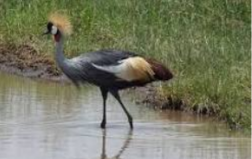

A Kenya birding safari offers one of the most rewarding ornithological experiences in the world. With over 1,100 recorded bird species, Kenya stands as East Africa’s leading birdwatching destination, combining ecological diversity, accessible habitats, and well-developed safari infrastructure. From alkaline Rift Valley lakes shimmering with flamingos to montane forests echoing with turacos and sunbirds, Kenya provides extraordinary opportunities for both seasoned ornithologists and passionate amateur birders.
Exceptional Avian Diversity
Kenya’s remarkable bird diversity is largely due to its varied ecosystems compressed within a relatively compact geographical area. The country spans coastal mangroves, semi-arid savannahs, alpine moorlands, freshwater wetlands, and tropical forests. This ecological variety supports resident species, regional endemics, and significant populations of migratory birds from Europe and Asia.
The nation lies along major migratory flyways, making it a critical stopover and wintering ground for Palearctic migrants between October and April. During these months, birdwatchers can observe a fascinating mix of indigenous species alongside migratory raptors, warblers, and waders.
Rift Valley Lakes: Flamingos and Waterbirds
The Great Rift Valley forms the heart of Kenya’s birding circuit. Among its most celebrated sites is Lake Nakuru National Park, internationally recognized for its spectacular gatherings of flamingos. Though flamingo numbers fluctuate with water conditions, the sight of thousands lining the lake’s alkaline shores remains unforgettable. The park also protects both black and white rhinoceroses, Rothschild’s giraffes, and diverse woodland birds.
Nearby, Lake Bogoria hosts one of the largest concentrations of lesser flamingos in the world during favorable seasons. Its geothermal springs and stark volcanic landscape create a dramatic setting for bird photography. Other Rift Valley lakes, including Lake Baringo and Lake Naivasha, offer contrasting freshwater habitats that attract kingfishers, herons, African fish eagles, and pelicans.
Savannah Specialists of the Maasai Mara
While globally famous for large mammals and the Great Migration, Maasai Mara National Reserve is equally compelling for birdlife. More than 470 species have been recorded here, including numerous raptors. Secretarybirds stride through open grasslands, while bateleur eagles soar overhead. Lilac-breasted rollers—often regarded as Kenya’s most beautiful bird—add vibrant color to acacia-dotted plains.
The open savannah habitat allows for excellent visibility, making identification and photography particularly rewarding. During migration season, European bee-eaters and other transcontinental travelers enrich the avian diversity.
Arid North: Samburu’s Unique Species
Kenya’s northern frontier introduces birders to arid-adapted species rarely found elsewhere in the country. Samburu National Reserve is renowned for endemic and near-endemic birds such as the Somali ostrich and vulturine guineafowl. The Ewaso Ng’iro River, cutting through dry scrubland, supports riparian species including kingfishers, weavers, and sunbirds.
This region’s distinctive ecology offers a different birding atmosphere—quieter, remote, and ecologically specialized—appealing to enthusiasts seeking unusual sightings beyond mainstream safari routes.
Coastal Forests and Wetlands
Kenya’s Indian Ocean coastline presents another rich birding environment. Arabuko-Sokoke Forest is East Africa’s largest remaining coastal forest and a hotspot for rare species. The forest shelters the endangered Sokoke scops owl, Amani sunbird, and Clarke’s weaver. Birding here requires patience and expert guidance, but rewards observers with sightings of some of Africa’s most localized forest birds.
Adjacent coastal wetlands and mangroves attract waders, terns, and crab plovers. The blend of forest, ocean, and estuarine habitats makes the Kenyan coast a vital addition to any comprehensive birding itinerary.
Highlands and Montane Forests
For high-altitude species, the slopes of Mount Kenya provide cool montane forests inhabited by Hartlaub’s turaco, scarlet-tufted malachite sunbird, and various alpine chats. These forests differ dramatically from the savannah below, offering a refreshing climate and distinct bird communities.
In western Kenya, Kakamega Forest—remnant of the ancient Guineo-Congolian rainforest—hosts species otherwise found primarily in Central Africa. Though less visited than savannah parks, these forests are essential for birders aiming to expand their regional species lists.

Guided Birding Safaris
A professional Kenya birding safari is typically led by experienced ornithological guides with deep knowledge of calls, habitats, and seasonal patterns. Unlike traditional game drives focused on large mammals, birding safaris move at a slower pace, allowing time for careful observation and identification.
Specialized safaris may include early morning walks, boat excursions on freshwater lakes, and extended stays in biodiverse regions. High-quality optics—binoculars and spotting scopes—are essential tools. Photography enthusiasts often benefit from Kenya’s open landscapes, which provide excellent lighting conditions.
Best Time for Birding
Although Kenya offers rewarding birdwatching year-round, peak birding season generally occurs between November and April. During this period, migratory species supplement resident populations, increasing overall diversity. Breeding plumage and active courtship behaviors further enhance viewing opportunities.
The dry season from June to October is also productive, particularly in open savannah habitats where vegetation is sparse and birds congregate near water sources. Birders often choose travel dates based on target species and regional rainfall patterns.
Conservation and Responsible Tourism
Kenya’s birdlife faces challenges including habitat loss, climate variability, and human encroachment. However, conservation initiatives led by organizations such as Nature Kenya and the Kenya Wildlife Service work to protect Important Bird Areas (IBAs) and promote sustainable tourism practices.
Responsible birding safari operators support community-led conservancies, ensuring local populations benefit economically from preserving wildlife habitats. Ethical tourism plays a critical role in sustaining Kenya’s ecological wealth.
Practical Considerations
Travelers typically arrive in Nairobi before connecting to regional airstrips or embarking on overland journeys to birding destinations. Packing essentials include lightweight neutral clothing, sun protection, field guides, and reliable optics. Bird call apps and updated species checklists can enhance the experience.
Health preparations—such as vaccinations and travel insurance—should be arranged in advance. As with all wildlife tourism, maintaining respectful distances and minimizing disturbance is paramount.
A World-Class Ornithological Experience
A Kenya birding safari transcends simple species counting; it offers immersion in landscapes alive with color, sound, and ecological complexity. Whether witnessing thousands of flamingos painting Rift Valley waters pink, spotting rare forest endemics in coastal woodlands, or observing raptors scanning vast savannah horizons, Kenya delivers a comprehensive and deeply rewarding birdwatching journey.
For professionals, conservationists, and enthusiasts alike, Kenya remains one of the most dynamic and accessible birding destinations on the African continent—where every sunrise brings the possibility of a new and unforgettable sighting