

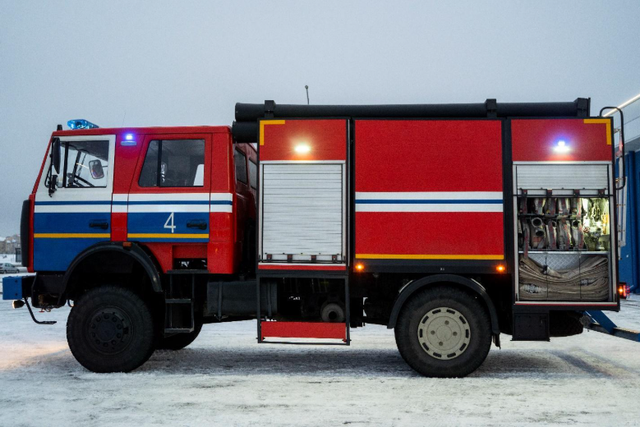

The wildland fire engines are different from traditional fire engines as these trucks are used for off-road purposes where other equipment can’t reach. The Type 3, Type 4, and Type 6 engines are commonly referred to as brush trucks. These trucks use the pump-and-roll technique, where the vehicle keeps moving while the firefighter sprays water on the fire.
In today’s article, we’ll talk about different types and where each is used. Let’s get started.
How the Type Is Actually Determined
The National Wildfire Coordinating Group (NWCG) classifies brush fire trucks based on factors such as water tank capacity, minimum pump flow, vehicle weight, and the minimum crew size required to operate the vehicle. Similarly, the terrain and environment in which the truck would be operating also determine which type is best to use.
Type 3 Fire Truck
These vehicles have 4-wheel drive. Driving them over rough terrains is easier, and they can also easily reach hilly areas. Their maximum gross vehicle weight rating is 26,000 lbs. This type of truck can carry 500 US gallons of water. It can also pump 150 US gallons per minute (with a pressure of 250 pounds per square inch).
This truck needs a minimum of 3 crew members to operate. Type 3 and Type 4 look similar, but their tank capacities and the number of personnel required for operation differ significantly. It is generally deployed for a rapid initial attack to prevent the fire from spreading further.
Type 4 Fire Engine
Type 4 also weighs 26,000 lbs. and is used to drive over rough terrain, but it has a smaller pump. Also, its large tank can carry 750 gallons of water (which is significantly higher than the Type 3 engine. It can throw 50 US gallons per minute (with a pressure of 100 pounds per square inch). Unlike the Type 3, this truck needs a minimum of 2 personnel.
Because it has a small engine, it is often used in flatter or grassy areas where extreme off-road climbing is not required. Firefighters also utilize them to extinguish hot spots and prevent rekindling after the main wildfire is under control.
Type 5 to Type 7 Fire Engine
These trucks are customized to meet the unique requirements of a specific situation. They come with 4-wheel drive with pickup truck-based features. You can see these engines both in suburban and wildland settings. These trucks also have a smaller configuration compared to other types, but they can still carry 50-400 gallons of water.
Due to their smaller size, they show exceptional maneuverability that you can’t get with Type 3 or Type 4. It’s also the reason they’re chosen in complicated terrains where extraordinary maneuverability is required. They are also used in initial fire suppression responses (but only in complex areas).
Bottom Lines
These heavy-duty vehicles make a significant difference in saving lives when it matters most. A truck that works best in hilly areas might not perform well in jungles, so it’s important to only order a truck that is most suitable to work in a specific situation.